
Quick answer: use the cream charger or tank until no gas is left, then recycle the empty container as metal if your local program accepts it. If you are not sure it is completely empty, or your program does not take it, bring it to a household hazardous waste (HHW) collection site. Never put a full or partly full charger or tank in the trash, and never puncture or crush one.
Why chargers and tanks do not belong in the trash
Cream chargers and cream charger tanks hold nitrous oxide under high pressure. The San Diego County Hazardous Incident Response Team warns that full or partially full canisters can explode if they are thrown in the trash or compacted at a landfill. Metro Vancouver adds that cylinders can remain pressurized even when they seem empty, and that they have caused explosions in garbage truck compactors and at its waste-to-energy facility. For the same reason, they do not belong in a household recycling cart unless your program says so.
Step 1: make sure it is completely empty
- 8 g cream chargers: a charger screwed into a dispenser’s charger holder is pierced and releases its gas into the dispenser. Unscrew the holder only when it has stopped hissing.
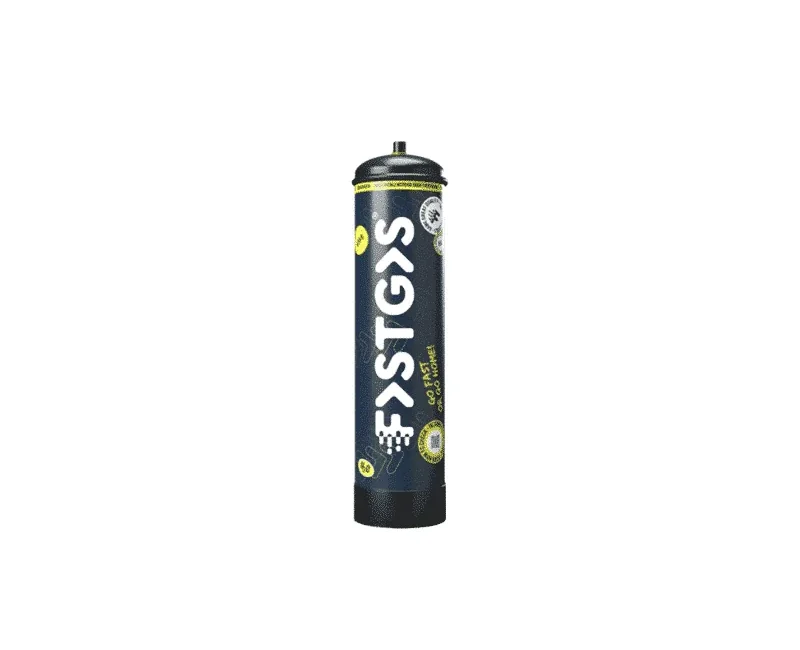
- Cream charger tanks: use the tank as normal with its regulator and whipped cream dispenser until no more gas flows with the valve open; see how to use a cream charger tank.
- Do this in a well-ventilated area, away from heat and flames, and never point the outlet at anyone. Escaping gas is extremely cold.
- If you cannot tell whether a tank is empty, treat it as not empty and go straight to Step 3.
Never try to puncture, crush or cut open a charger or tank to empty it.
Step 2: recycle the empty container as metal
The San Diego County Hazardous Incident Response Team says a completely empty container can go in a metal recycling bin. Rules differ from place to place, so check your city or county recycling guide before you put chargers or tanks in any bin. Search it for “compressed gas cylinders” or “nitrous oxide”. Some programs send them to a drop-off center or scrap metal recycler instead of the curbside cart.
Step 3: if in doubt, use a household hazardous waste site
If a charger or tank might still hold gas, or your recycling program does not accept it, take it to a household hazardous waste collection site for safe handling. Your county’s solid waste or recycling website lists HHW drop-off locations and hours.
For cafés, bakeries and caterers
- Keep empty and partly used tanks separate from general waste until they are collected.
- Store them upright and secured in a well-ventilated area, away from heat, sunlight and flammable materials.
- Ask your commercial waste hauler or a local scrap metal recycler whether they accept empty gas cylinders, and how they want them prepared.
Fewer containers to dispose of
One cream charger tank replaces dozens of single chargers: a 580 g tank holds about as much gas as 70 standard 8 g chargers, so there is one container to empty and recycle instead of a box of small ones. Compare tank sizes and prices compared, or browse our cream charger tanks. For why nitrous oxide is used at all, read why nitrous oxide is used for whipped cream.
Safety: nitrous oxide is sold for food and drink preparation only. Never inhale it; the U.S. FDA warns that inhaling nitrous oxide products can cause serious injury or death. Cylinders are under high pressure and escaping gas is extremely cold, so keep them away from heat, children and pets.
Frequently asked questions
Are cream chargers recyclable?
Empty chargers and tanks are metal and can go in metal recycling where your local program accepts them. Check your city or county recycling guide first, because many curbside programs do not take pressurized cylinders.
Can I throw cream charger tanks in the trash?
No. Full or partly full canisters can explode if they are thrown in the trash or compacted at a landfill, and they can stay pressurized even when they seem empty.
How do I know a cream charger tank is empty?
No more gas flows when you open the valve with the regulator and dispenser attached. If you are not sure, treat it as not empty and take it to a household hazardous waste collection site.
Should I puncture a charger or tank to make sure it is empty?
No. Never try to puncture or crush a charger or tank by hand. Empty it through its normal equipment, or hand it in at a household hazardous waste site.